Sounds of Homes
environmental soundscapes of Kioloa and Murramarang National Park
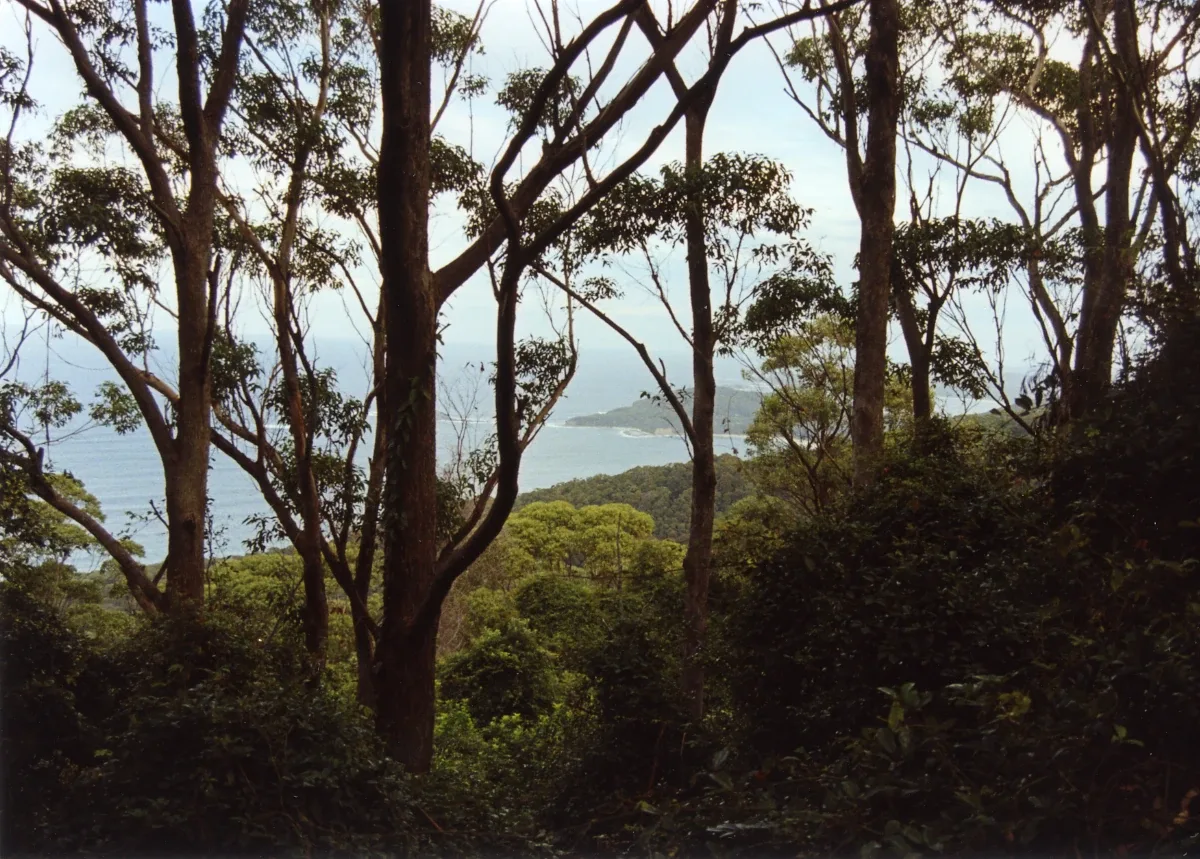
Photo: Richard Hardwick
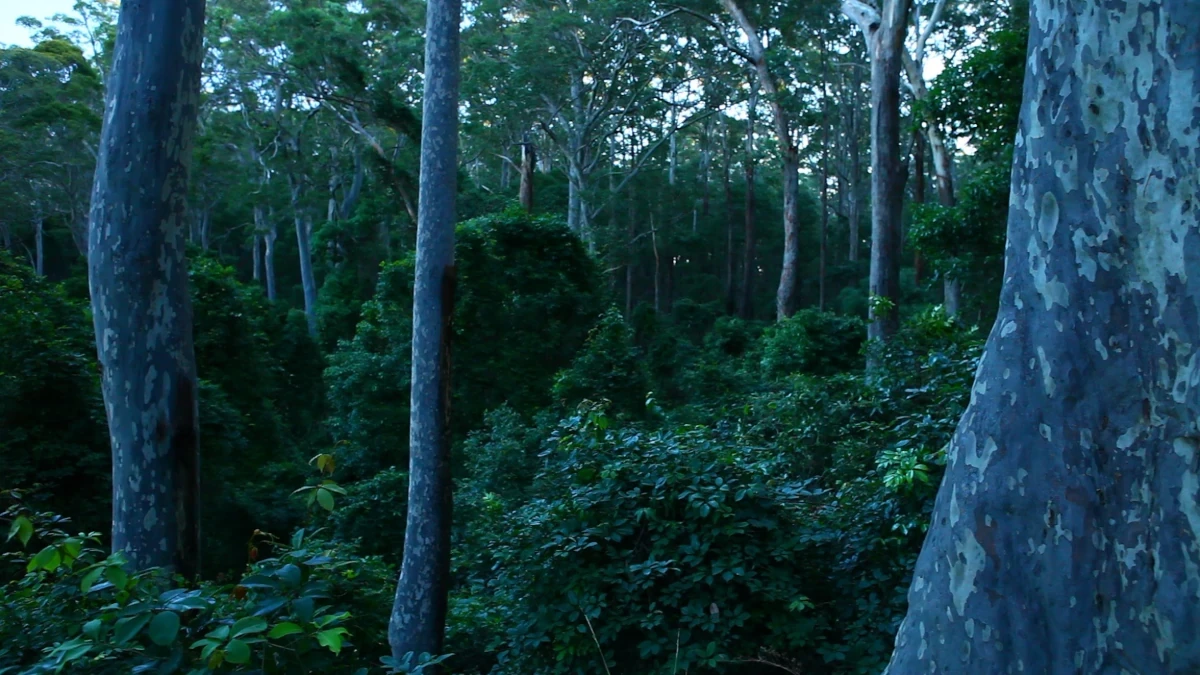
Photo: Honi Ryan
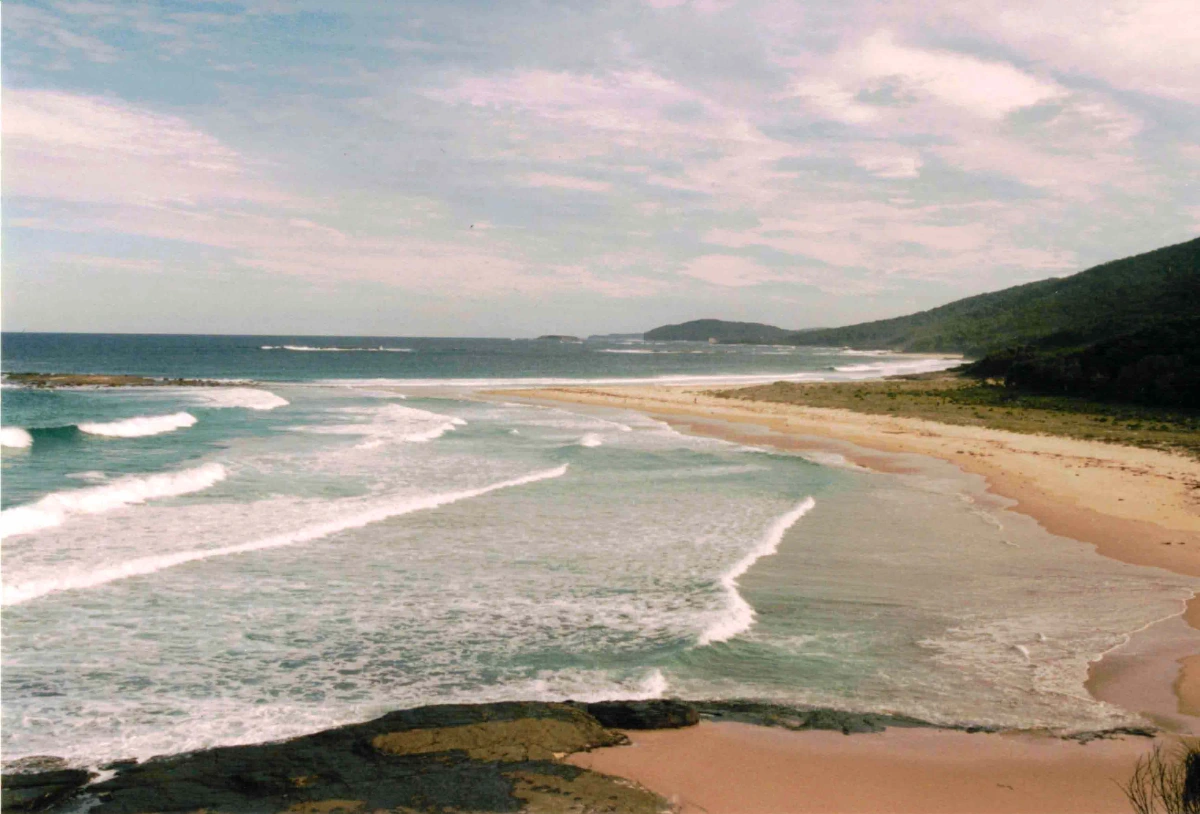
Photo: Richard Hardwick
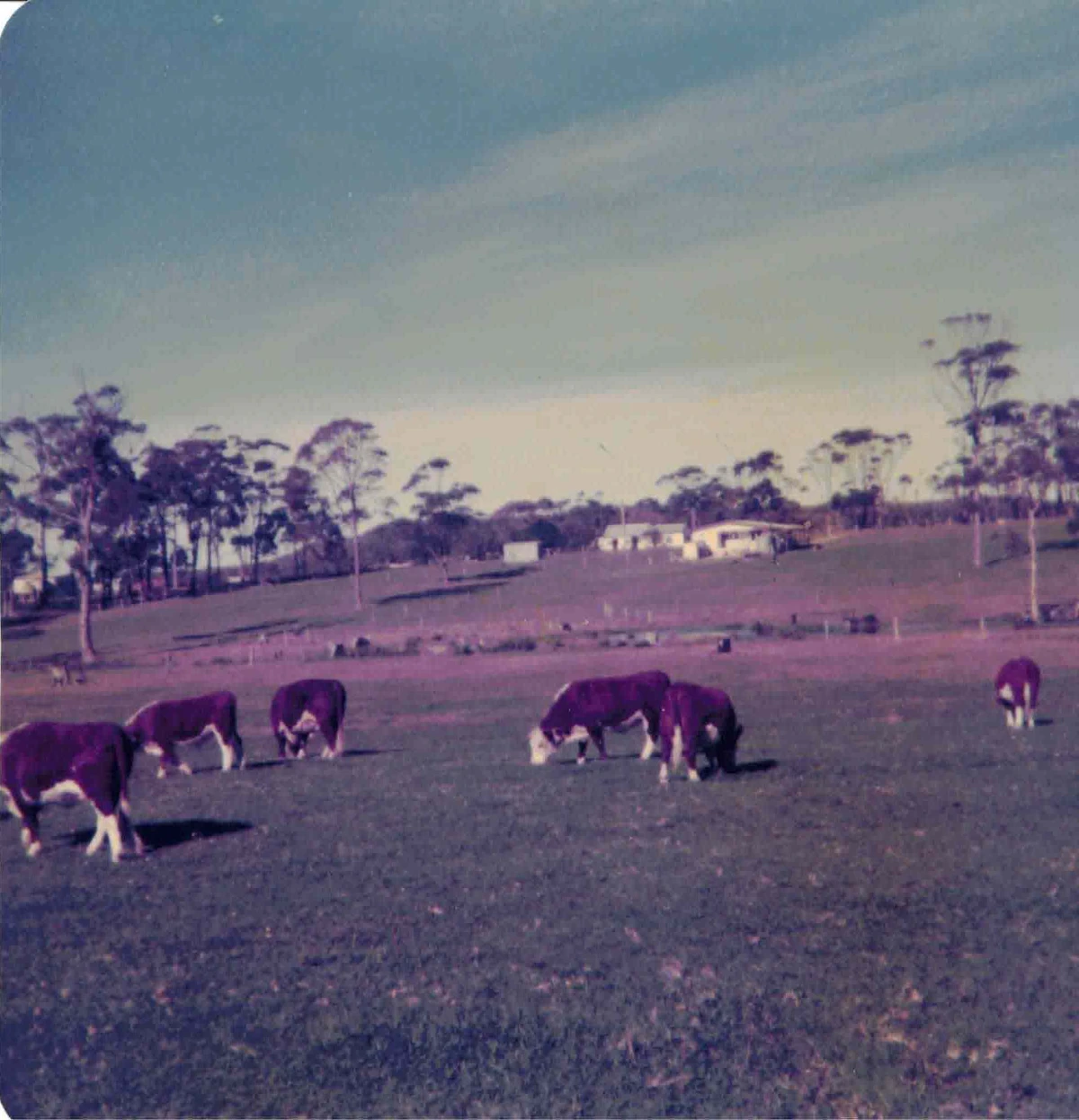
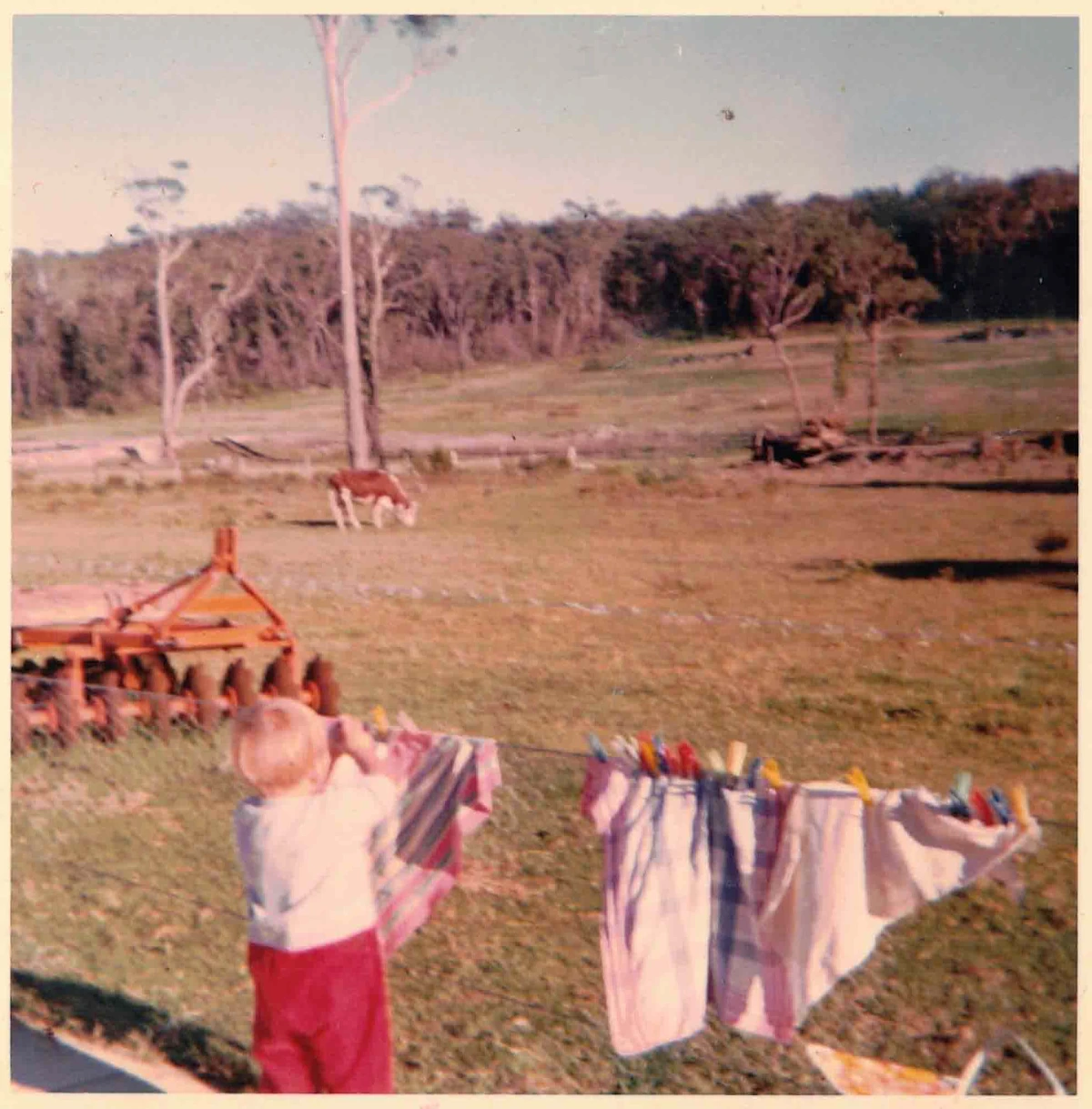
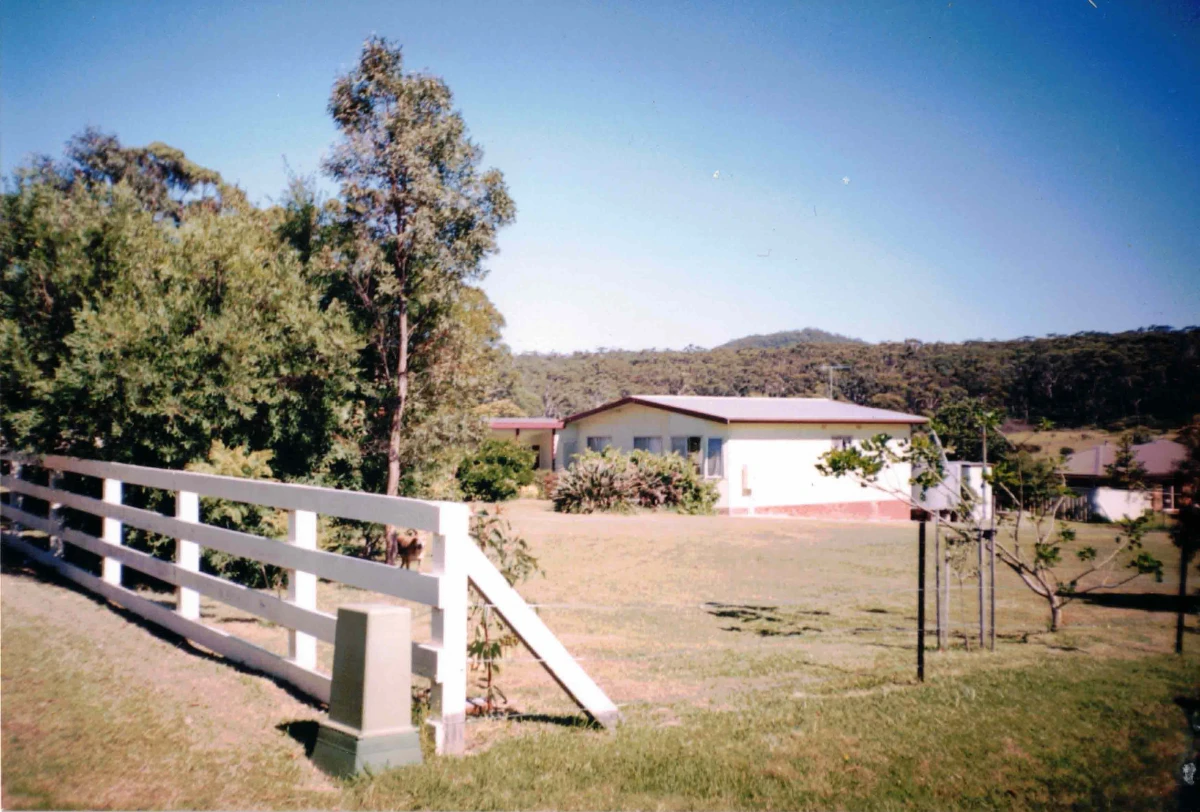
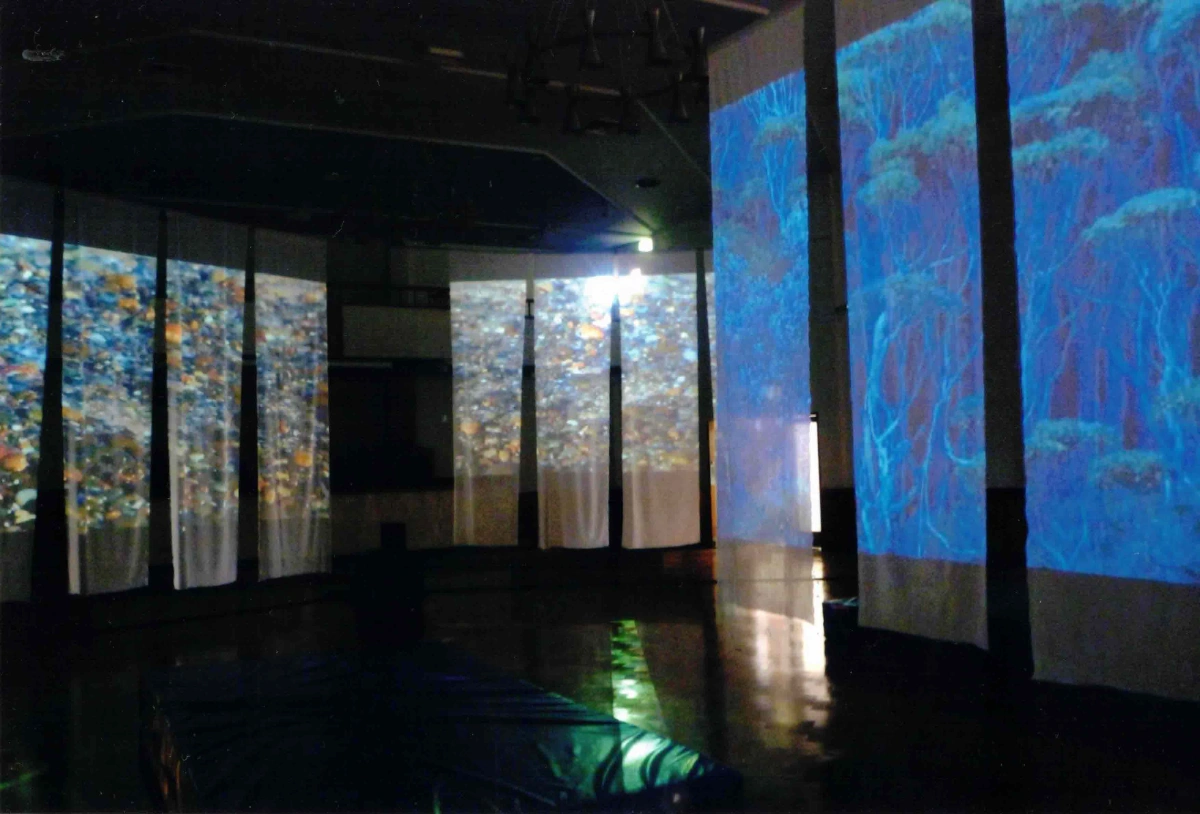
Photo: Honi Ryan - installation photo at Bluescope Steel Gallery
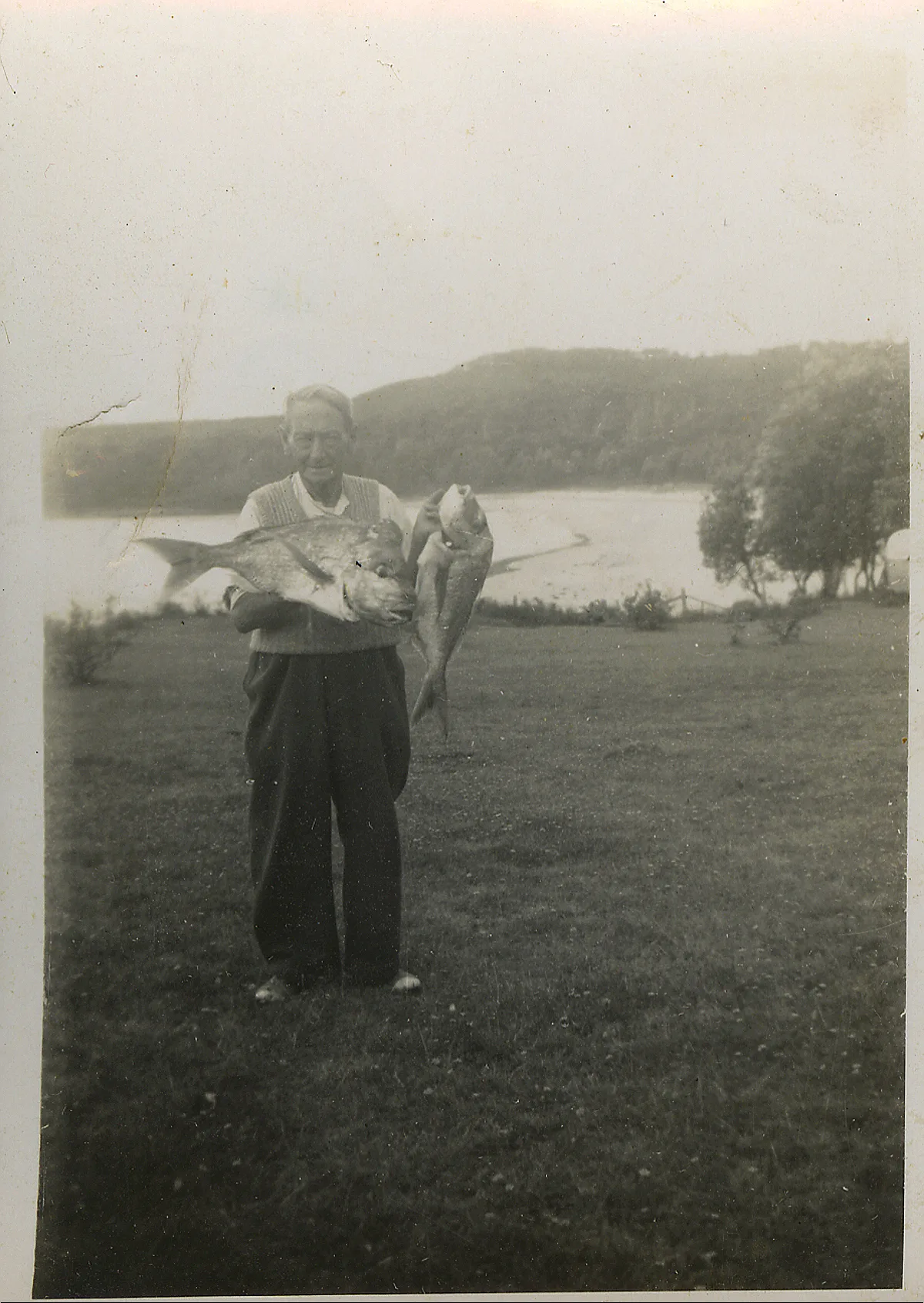
Photo: my grandmother's uncle at Kioloa
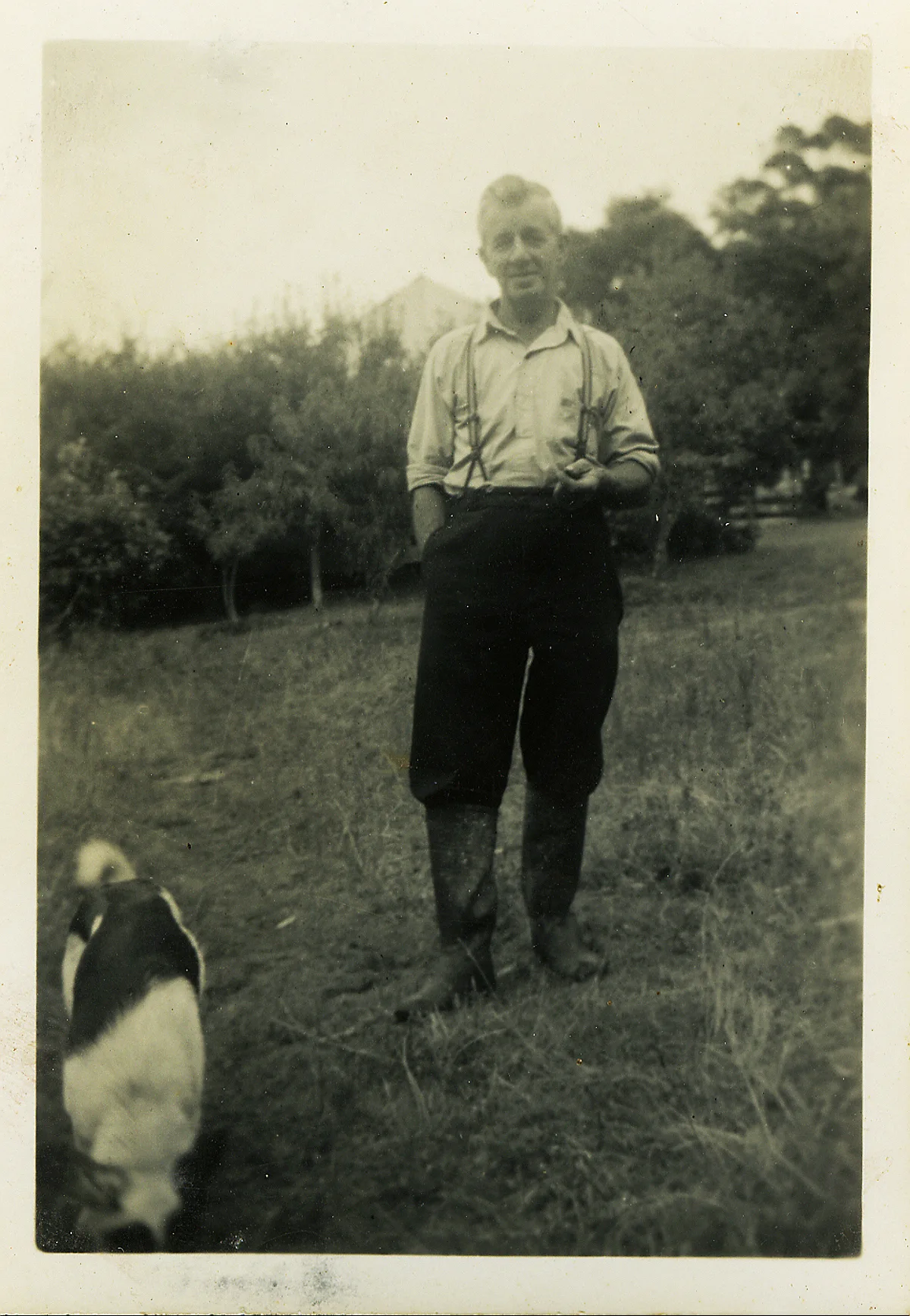
Photo: my great-grandfather at Kioloa
Sounds of Homes
environmental soundscapes of Kioloa and Murramarang National Park
This was a collaborative environmental soundscape project by Tegan Northwood and Shane Fahey, with Honi Ryan contributing video and photography for the installation and CD.
original field recordings - 2006 - 2010
Bluescope Steel installation 2010
CD release 2016
The field recordings were made both as a record of sites significant to me, and sites representing the environments of the area. It was my way of expressing my love, respect for and connection with this place, and sharing that – perhaps fostering a desire within the listener to connect consistently with a natural place themselves, and advocate for that place where necessary. At the time I was losing access to Kioloa as the last of our former property there was sold (our family cottage), following subdivision of over 200 acres that surrounded it, bordering Murramarang National Park and Kioloa State Forest. I was witnessing homes of birds, mammals, frogs and insects of these areas being lessened and receding with all the new building going on in the area and removal of mature trees I'd grown up with by new residents.
Later in the project I began identifying many of the bird calls in these recordings. I felt I wanted to understand the natural weave and interplay of the birds in these intact habitats, that something would coalesce and be revealed to me overall about the way nature functioned as a whole if I could do that.
Thirdly, myself and Shane hoped to encourage the concept of listening to natural environments (with their gentle weave of high-frequency sounds that recharge the cortex of the brain through the inner ear) as a restorative experience for the listener. This was based on the work of Alfred Tomatis which resulted in specially filtered natural / acoustic sound therapy pieces that restore the function of the inner ear, and in turn, restore wellbeing in a number of ways. While Tomatis used classical music filtered through his 'electronic ear', I felt sure intact natural environments must also be naturally of benefit to listen to in a similar way, being rich in modulating high-frequency sounds.
To this end, Shane and I took great care to retain as much of the overtone spectrum integrity in the field recordings as possible - we used DAT tapes with custom-preamps and AKG pencil mics when recording much of the material. I also used a Pro-Walkman with metal cassettes for some final selections. Our selections from five years' of recordings were then put through analog rack modules and studio preamps at Megaphon to further enhance the recordings as organically as possible. I later composed the soundscape, moving between habitats from dawn to dusk, in Logic. The installation was mixed for surround sound (complete with high-jump mats for visitors to lie on while listening!).
And lastly - the soundscapes created form a snapshot of the audible biodiversity of Kioloa and Murramarang back in 2006 to 2010 - years before the devastating bushfires of 2019-2020. (It's possible the variety of bird species we captured in these recordings are no longer there.)